On purpose, talent, and the work that actually fits who you are
You can be an excellent lawyer and wake up every morning with a weight on your chest, you can be brilliant in finance and feel like your life is slipping away in spreadsheets that mean nothing to you, you can have the title, the salary, the recognition, and at the same time feel an emptiness you can’t explain because externally everything looks fine, and that’s the problem: you’re confusing skill with calling, and that confusion can cost you years, decades, or even an entire life dedicated to perfecting something that was never yours.
Ken Robinson, in The Element, explains it in a way that stops you cold the first time you read it:
Your element is that place where what you love to do and what comes naturally easy to you meet.
It sounds simple, but most people never get there, not because they don’t have an element, because we all have one, but because the system educated them to be practical rather than authentic, you studied what paid well, what had job prospects, what your family considered respectable, what the market demanded, and somewhere along the way what you wanted stopped mattering, or worse, you stopped knowing what you wanted because you’d spent so many years responding to other people’s expectations that your own voice gradually went silent.
And now you’re here, with a career built, with accumulated experience, with a resume that looks good, but disconnected, doing things you know how to do but that don’t move you, meeting objectives that don’t belong to you, wondering if this is all there is, and the answer is that it isn’t, but to find what’s missing you need to do something that’s frightening:
GO BACK TO YOURSELF.
Going back to yourself means asking yourself questions you probably haven’t asked since you were a teenager: what did you do as a child that made you lose track of time? Not what you were taught to do but what you did alone, without anyone forcing you, without anyone evaluating you, you drew, built things, wrote stories, organized everything you could find, explained things to others, got lost in nature, invented games with your own rules, think about it for a moment, because there’s information there, much more than you realize, because those activities you did without effort, without reward, without an audience, tell you something fundamental about your essence and about what comes naturally to you, which is exactly what Robinson calls your element.
And here’s a trap almost all of us fall into: dismissing what comes easily to us because we assume that if it’s easy for us it can’t be valuable, “anyone can do that,” no, not anyone can do it, what’s natural for you is an enormous effort for someone else, your ease is part of your design, it’s information about what you’re made for, and if you ignore it because it doesn’t seem serious, productive, or profitable you’re throwing away the most important clue you have about your professional purpose.
Now, finding your element doesn’t mean you quit tomorrow and dedicate yourself to painting watercolors, aligning career and purpose is a process and not a clean cut, and that process starts by separating three things that most people have mixed together:
Who you are, what you know how to do, and where you want to go.
It’s what you’re passionate about, what moves you, what makes you feel alive without needing external validation, it doesn’t change over time although how you express it does, and when someone says “I feel lost” what’s usually happening is that they’ve spent years disconnected from their essence, it’s not that they don’t have one, but that they buried it under layers of obligations, expectations, and decisions made from fear rather than clarity.
Your talents, your natural abilities, not the ones you acquired out of professional obligation but the ones you carry integrated within you, for example the ability to lead without being asked, the sensitivity to read people, the ease of organizing chaos, the creativity that appears without effort, and those talents are there even if you’ve never put them on a resume, many times they’re the ones you ignore the most precisely because you take them for granted.
Is your direction, not the title you want to hold but the life you want to live, the impact you want to generate, the kind of day-to-day you want to sustain and not the one you want to show, because you can have an impressive direction on paper that takes you somewhere you don’t want to be, and you can have a direction no one understands but that fills you completely.
When these three align, when who you are, what you know how to do, and where you’re going all point in the same direction, you’ve found your element, and from there everything changes
Not because life becomes easy but because it stops feeling like a constant fight against yourself, you stop pushing against the current and start moving in the direction that corresponds to you, doing what corresponds to you, where it corresponds to you.
But there’s something you need to hear: aligning career and purpose isn’t a luxury for the privileged or something only those who “already have life figured out” can do, it’s a necessity, because misalignment has a cost that gets paid in health, in relationships, in years of your life invested in something that drains you instead of filling you, burnout doesn’t always come from working too much, many times it comes from working on something that isn’t yours, and chronic dissatisfaction doesn’t get resolved with vacation or a raise but by starting to do what actually makes sense for you.
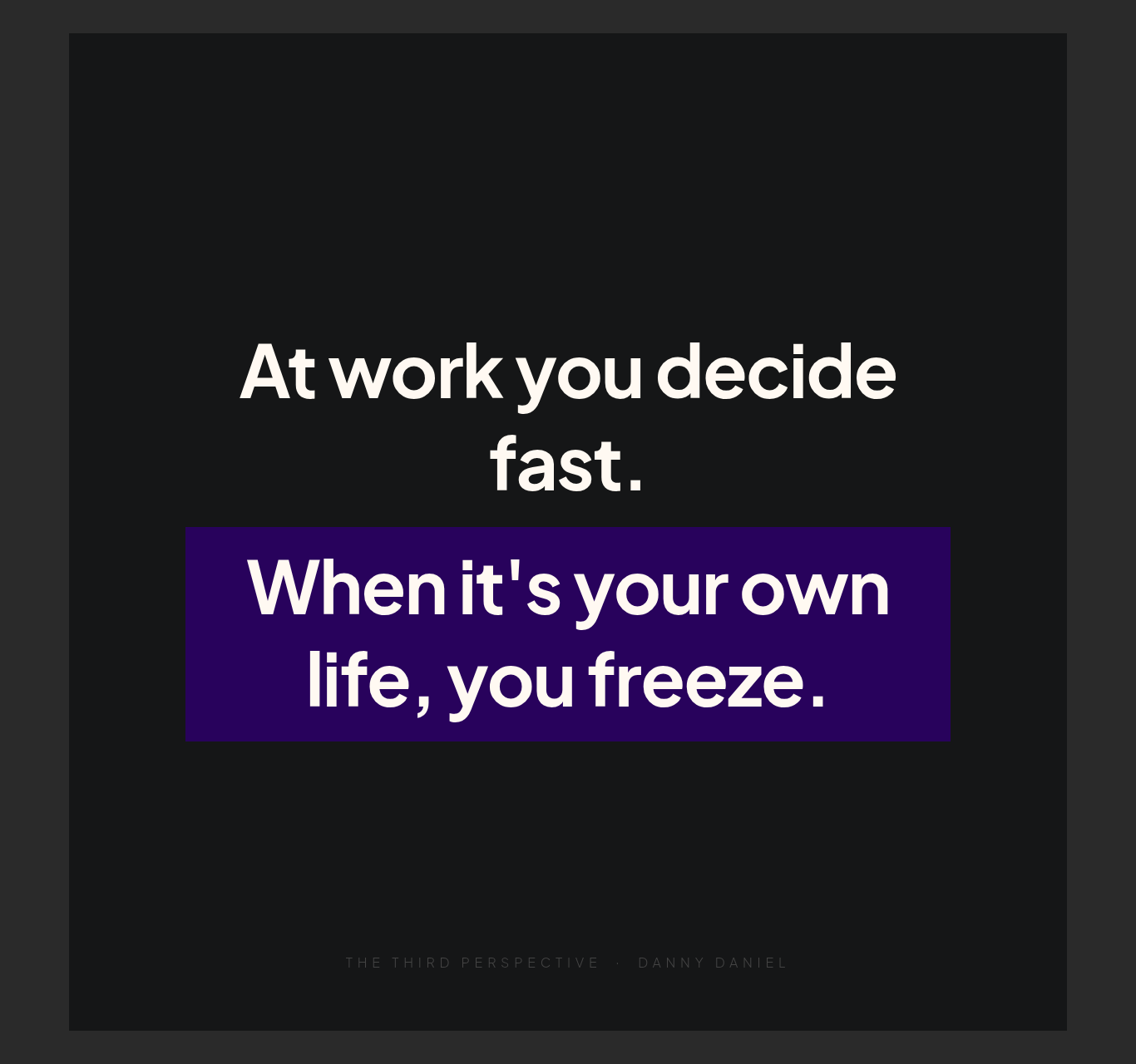
And this is where many people freeze because they see the distance between where they are and where they’d like to be and feel it’s impossible, that they’ve already invested too much, that it’s too late, that they can’t start from zero, but nobody is asking you to start from zero because everything you’ve built has value, your experience, your knowledge, your contacts, your ability to solve problems, all of that is capital you take with you and what changes is the direction in which you apply it, it’s not about destroying what you’ve done but redirecting it.
And you don’t have to do it all at once because you can start by testing in parallel, a project that excites you, training that connects you with something you left behind, a conversation with someone who’s already doing what you feel you should be doing, small movements that bring you closer to your element without having to burn everything else down, because alignment isn’t an explosion but a career transition designed with intelligence.
What you do need is to stop waiting for someone to give you permission because nobody is going to come and tell you “now is the time to live your purpose,” not your boss, not your partner, not your family, not the market, that decision is yours, and it’s frightening because it means acknowledging that you’ve spent time living a life you didn’t entirely choose, that many of the decisions you made came from security rather than authenticity, and that now it’s time to do something about it.
Robinson tells stories in his book of people who found their element at twenty, at forty, at sixty, there’s no deadline, what there is is an accumulated cost for every year you spend ignoring what you already know, because deep down you already know it, you know what makes you feel alive, you know what comes to you without effort, you know in which moments you feel most yourself, and the question isn’t whether you have an element but how much longer you’re going to keep living as if you don’t.
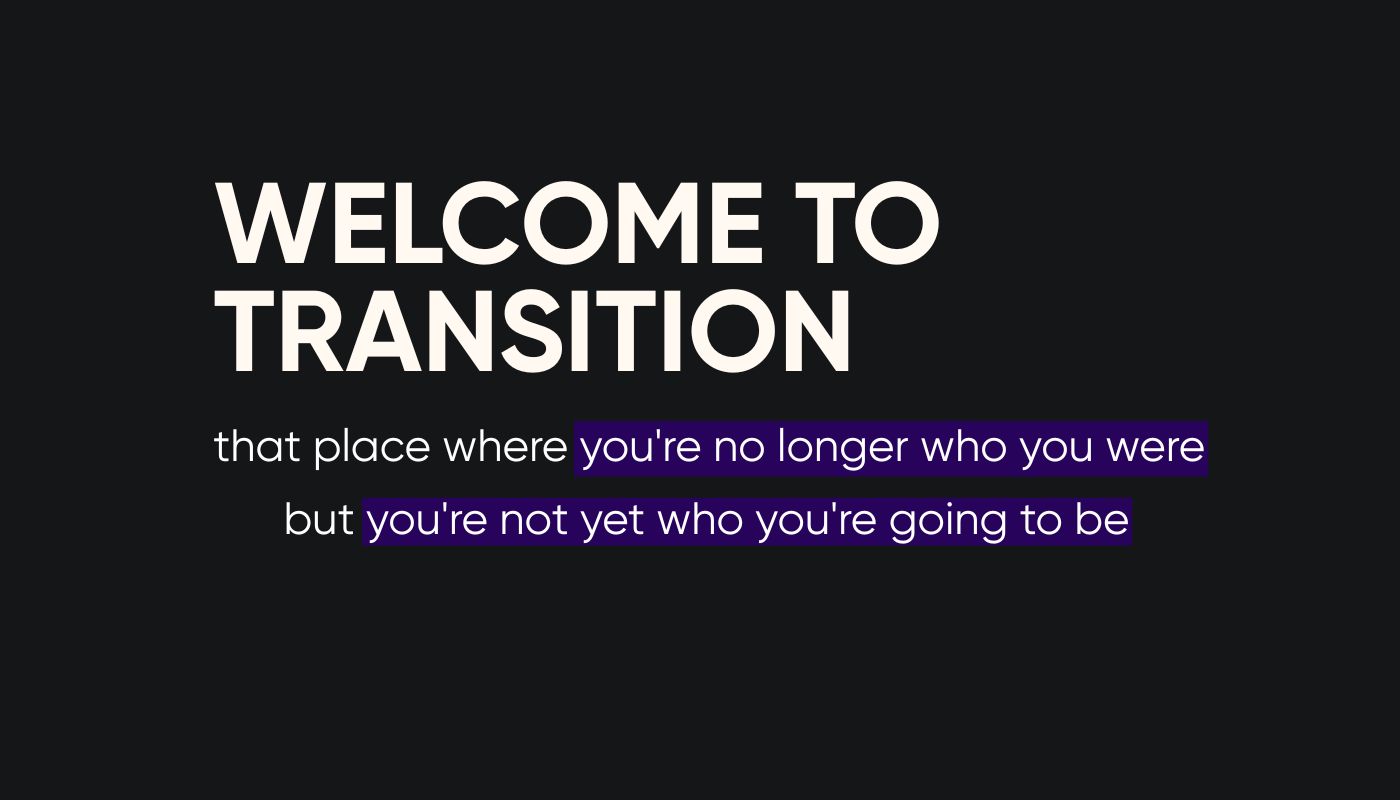
Aligning career and purpose isn’t a destination you reach one day and that’s it, but a daily practice, it’s constantly reviewing whether what you’re doing still makes sense for who you’re being, because you change, and what aligned you five years ago may no longer represent you today, and that shows your evolution, the sign that you’re alive, that you’re growing, that you didn’t settle for the first version of yourself that worked.
Build a career to live and not to show, one that makes sense when nobody is watching, that when you describe it you don’t need to convince anyone because it shows in how you talk about it, in how you get up to work on it, and in how it feels when you do it.
Your element exists, it always has, the question is whether you’re going to keep ignoring it or whether this is the moment you finally pay attention to it.
With purpose,
Danny Daniel.




.jpg)